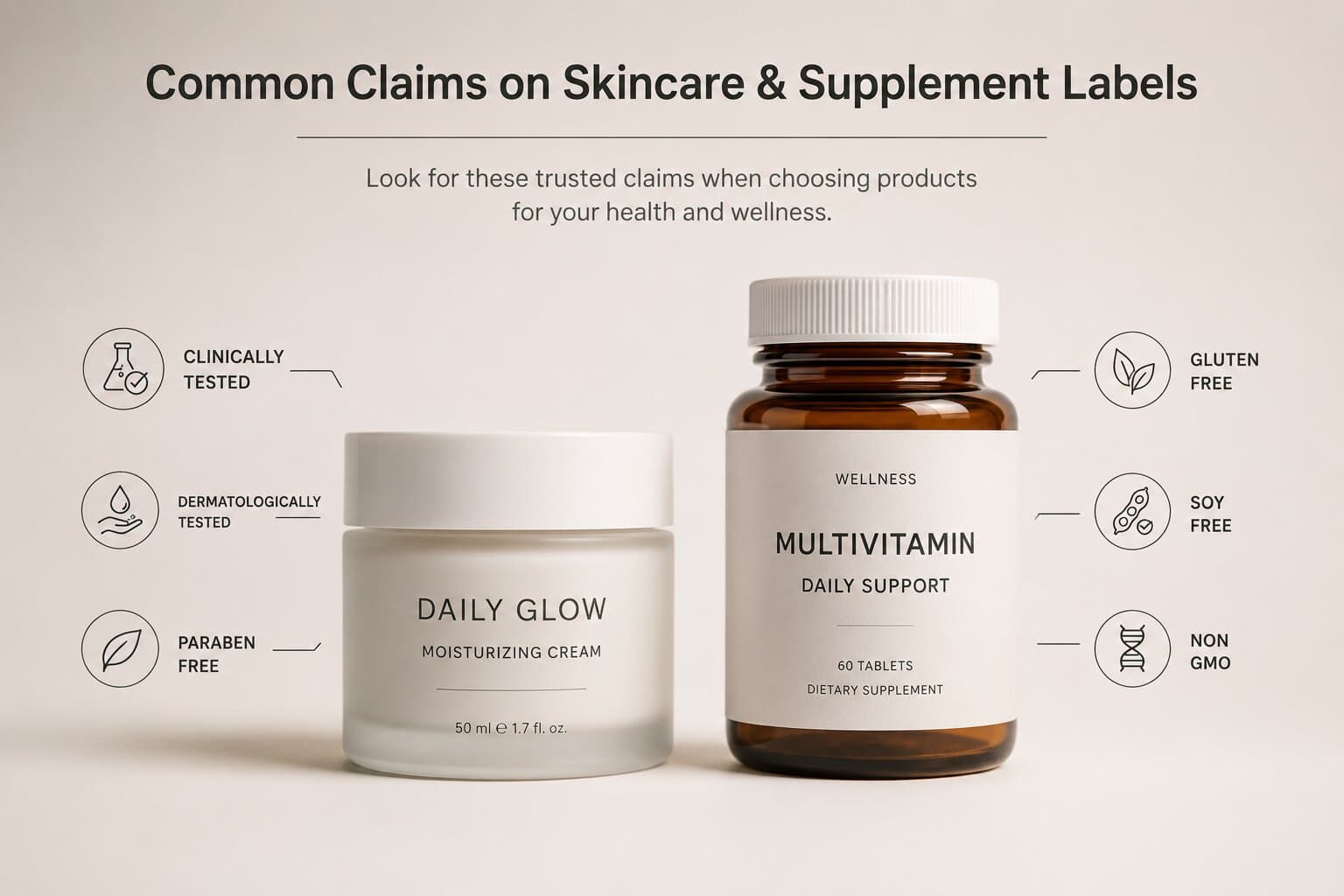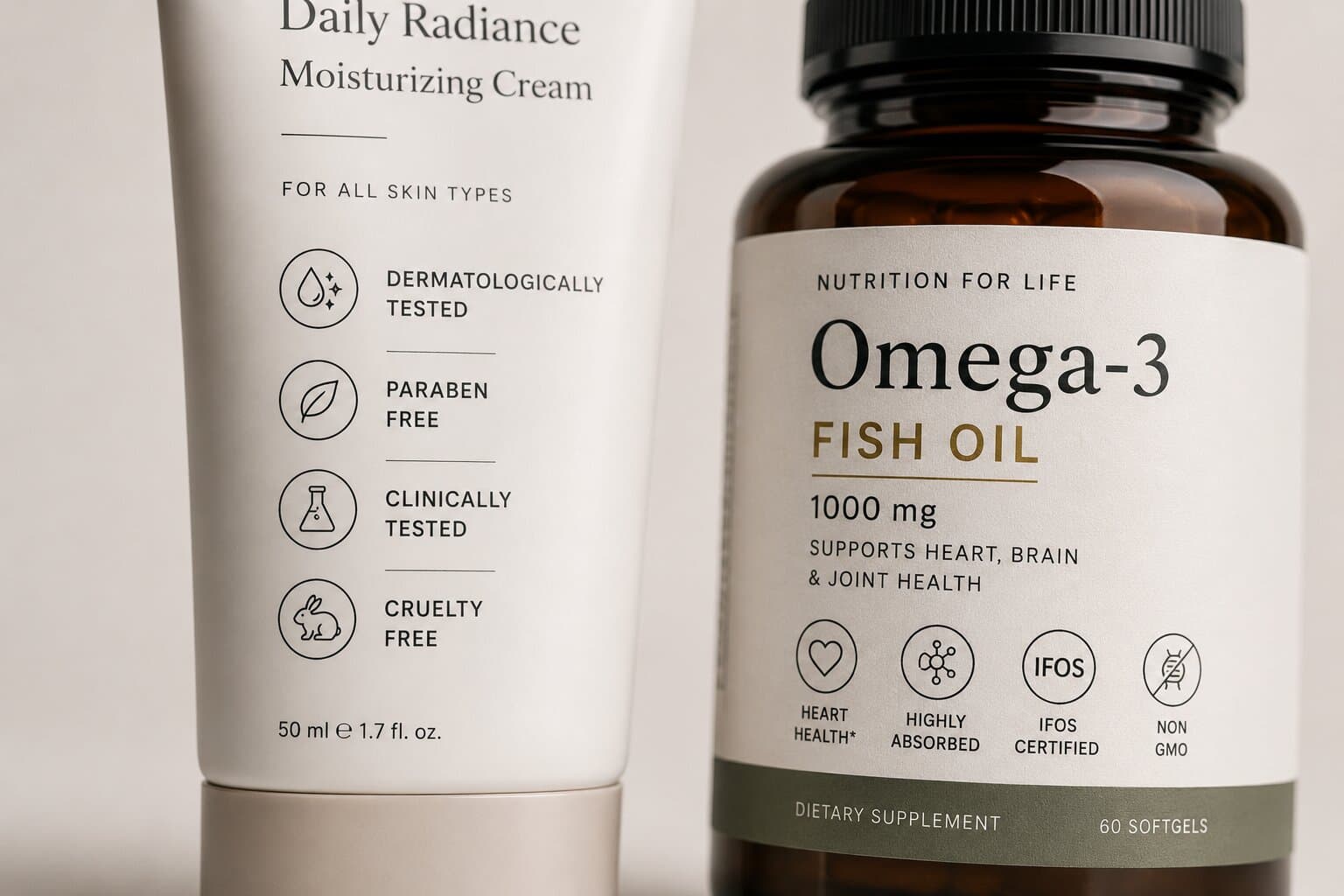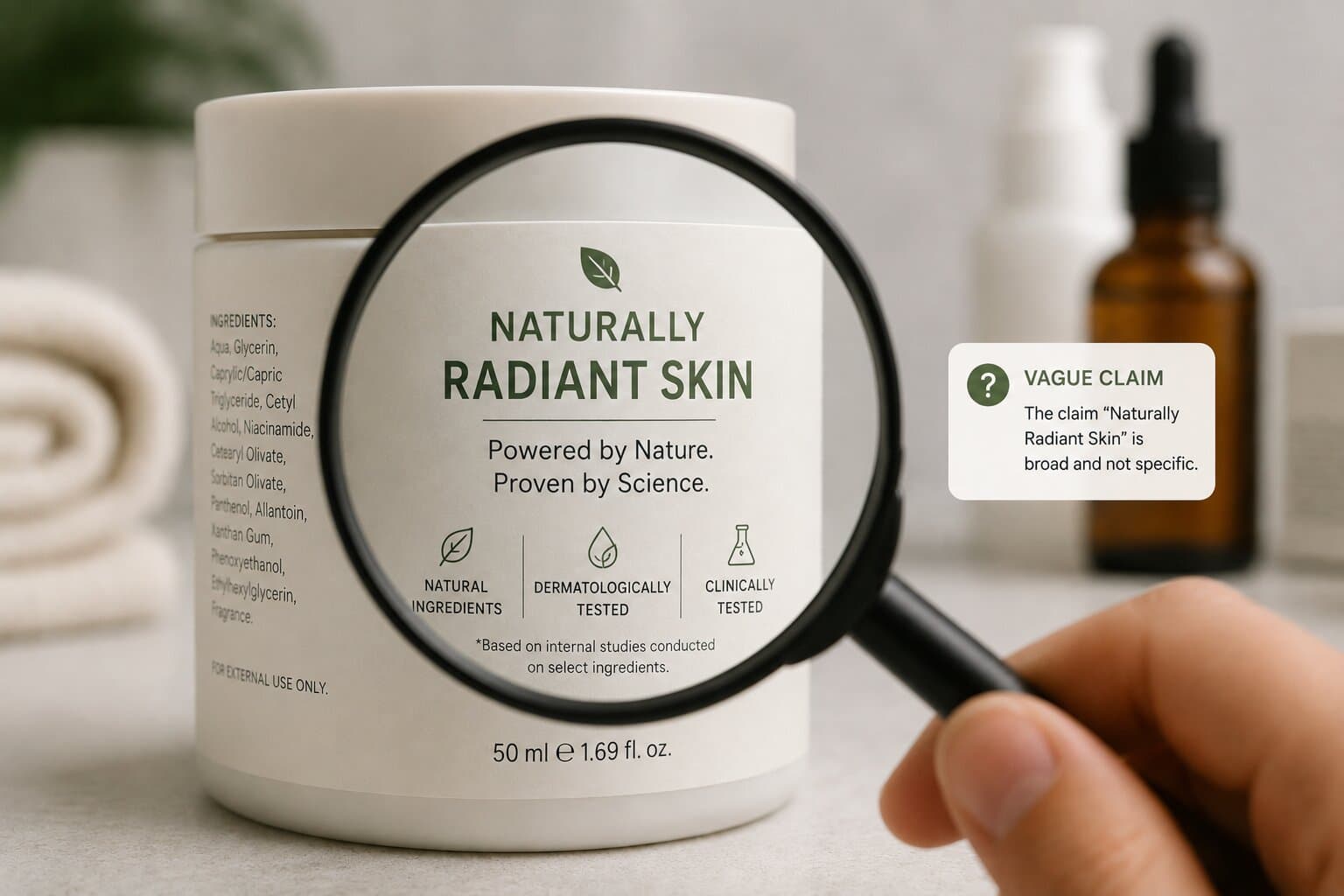

Most brands don’t set out to make weak claims. A claim usually starts as something true: a test was run, a certification was earned, an ingredient was sourced responsibly. It only becomes vague in translation, once it’s compressed down to fit on a label or a product page headline.
A Simple Test Before You Print a Claim
Before finalizing any claim, it’s worth running it through the same three questions a skeptical customer would ask:
- Can we say exactly what was tested, documented, or sourced, not just the headline version?
- Do we know, and can we show, whether this came from internal testing or independent certification?
- If a customer clicked on this claim right now, would we have something real to show them, or would they hit a dead end?
If the honest answer to that third question is a dead end, the claim isn’t false. It’s just not ready to stand on its own yet.
Documentation Is an Asset, Not Just a Compliance File
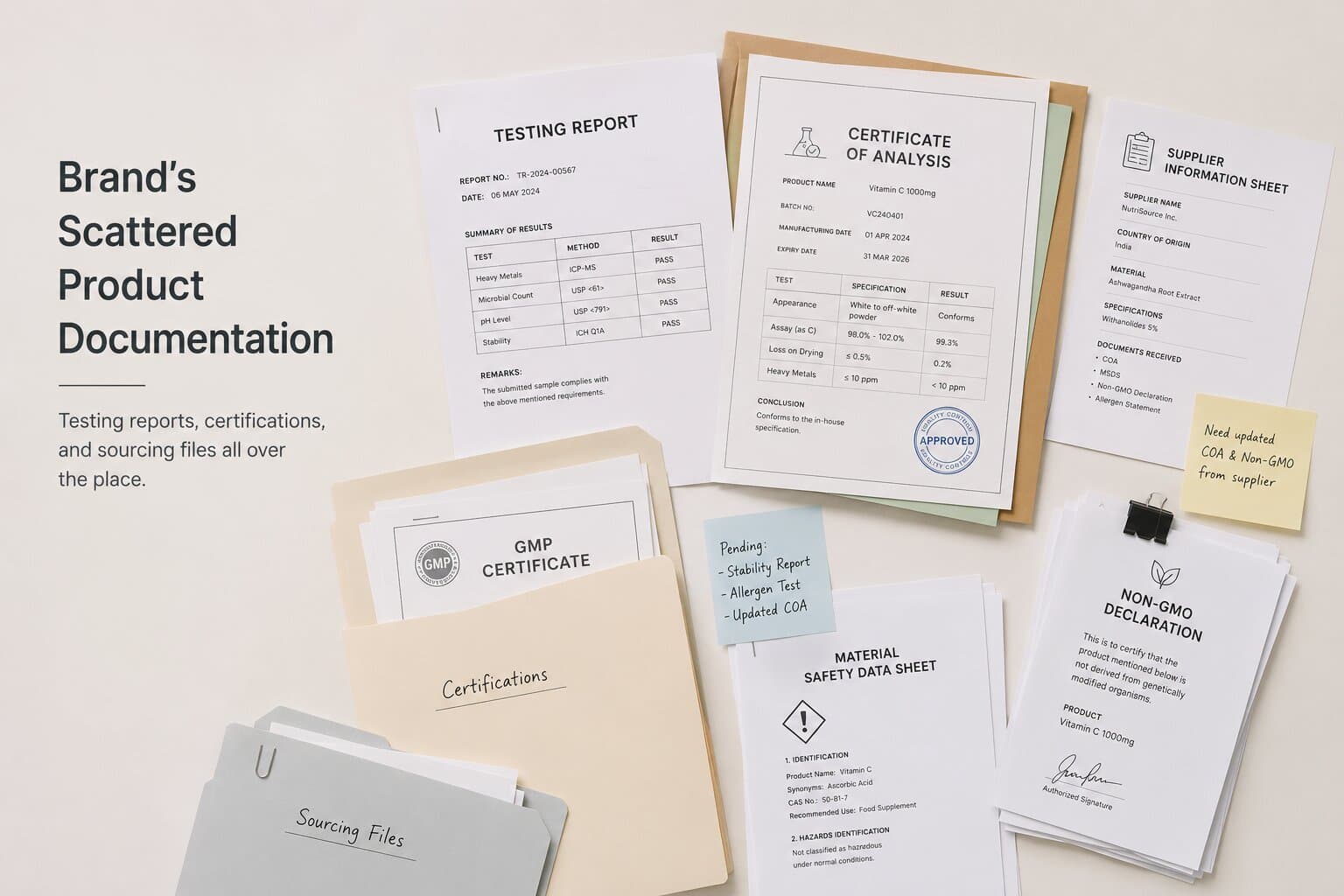
Many brands treat testing summaries, sourcing records, and certifications purely as compliance artifacts: things that exist to satisfy a regulator or an auditor, then get filed away. That’s a missed opportunity. The same documentation that protects a brand legally is exactly what builds confidence commercially, if it’s made visible instead of archived. We cover the commercial side of this gap in Your Product Has 20 Things to Say.
Building Claims Backward From Evidence
The most defensible approach isn’t writing a claim and then hunting for evidence to support it. It’s the reverse: starting from what the brand can actually document, and writing claims that match exactly what that documentation shows. It’s a smaller shift than it sounds, and it tends to produce claims that are both more specific and more credible, because they were never stretched past what the evidence actually says.
TruOrigin’s OriginCard structure makes this easier to maintain over time, because every claim on a product is directly tied to the specific evidence behind it, so if the evidence changes, the connection is already there to update.
Want a second set of eyes on whether your current claims are as defensible as they could be?
Book a demo →