Talk to almost any product team and you’ll find they know an enormous amount about what they’ve made. Ingredient sourcing decisions. Testing protocols. Certification processes. Formulation trade-offs. Manufacturing standards. Sustainability data. Most of this represents real effort: time, cost, and expertise that went into the product long before it reached a shelf.
Almost none of it reaches the customer.
Where It All Goes
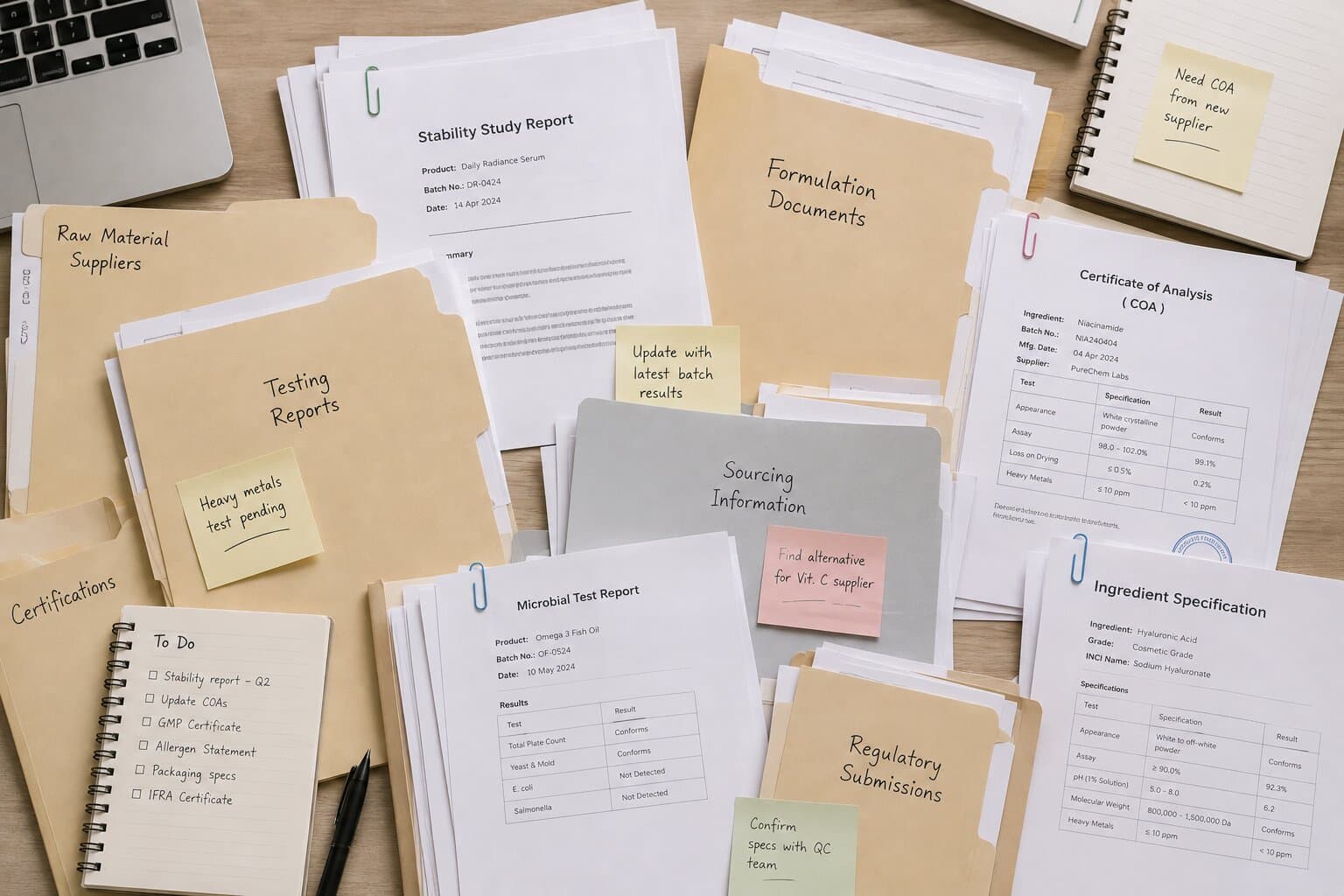
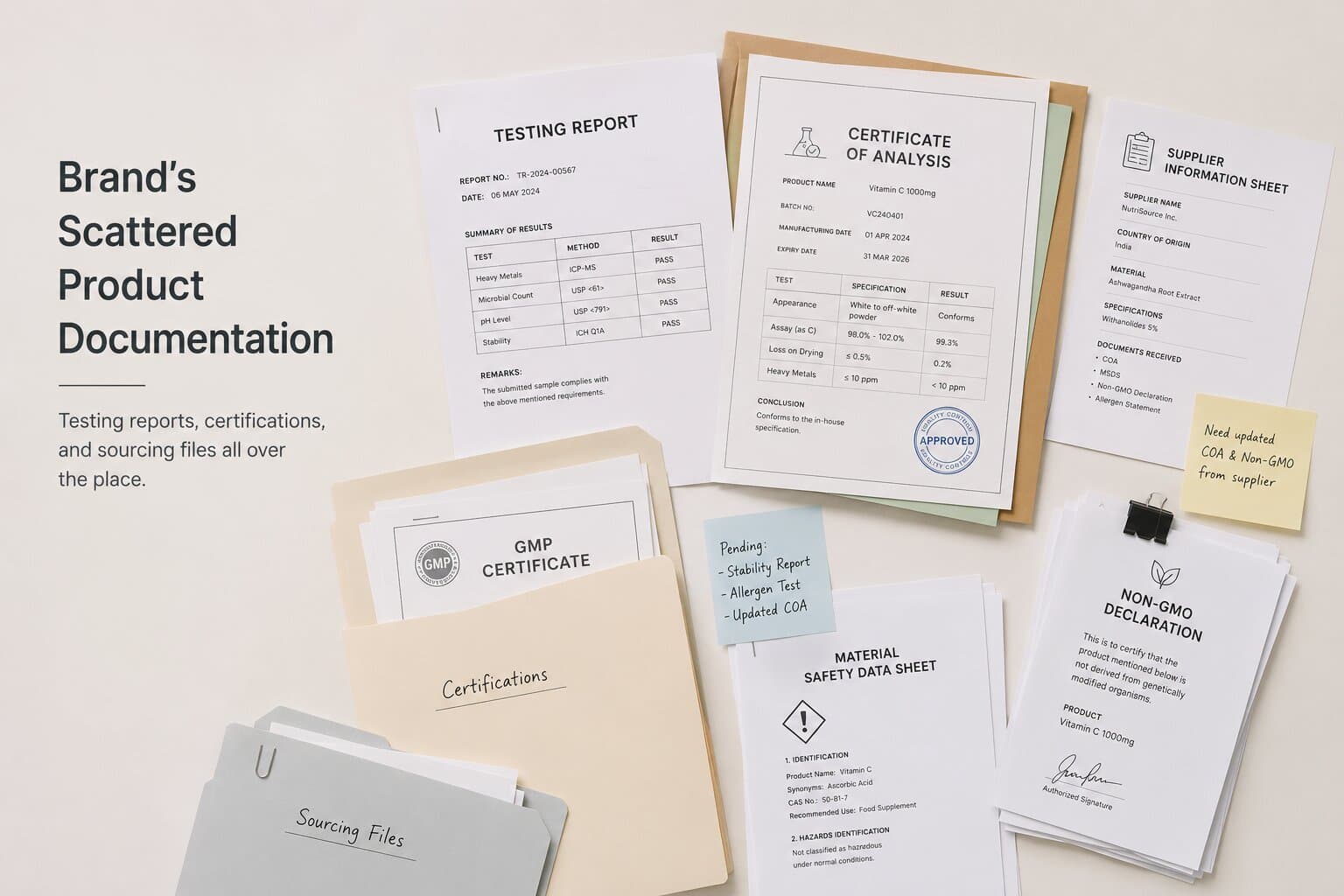
It’s not that brands are hiding this information. It’s that there’s no single place designed to hold it and present it well. Instead, it ends up scattered:
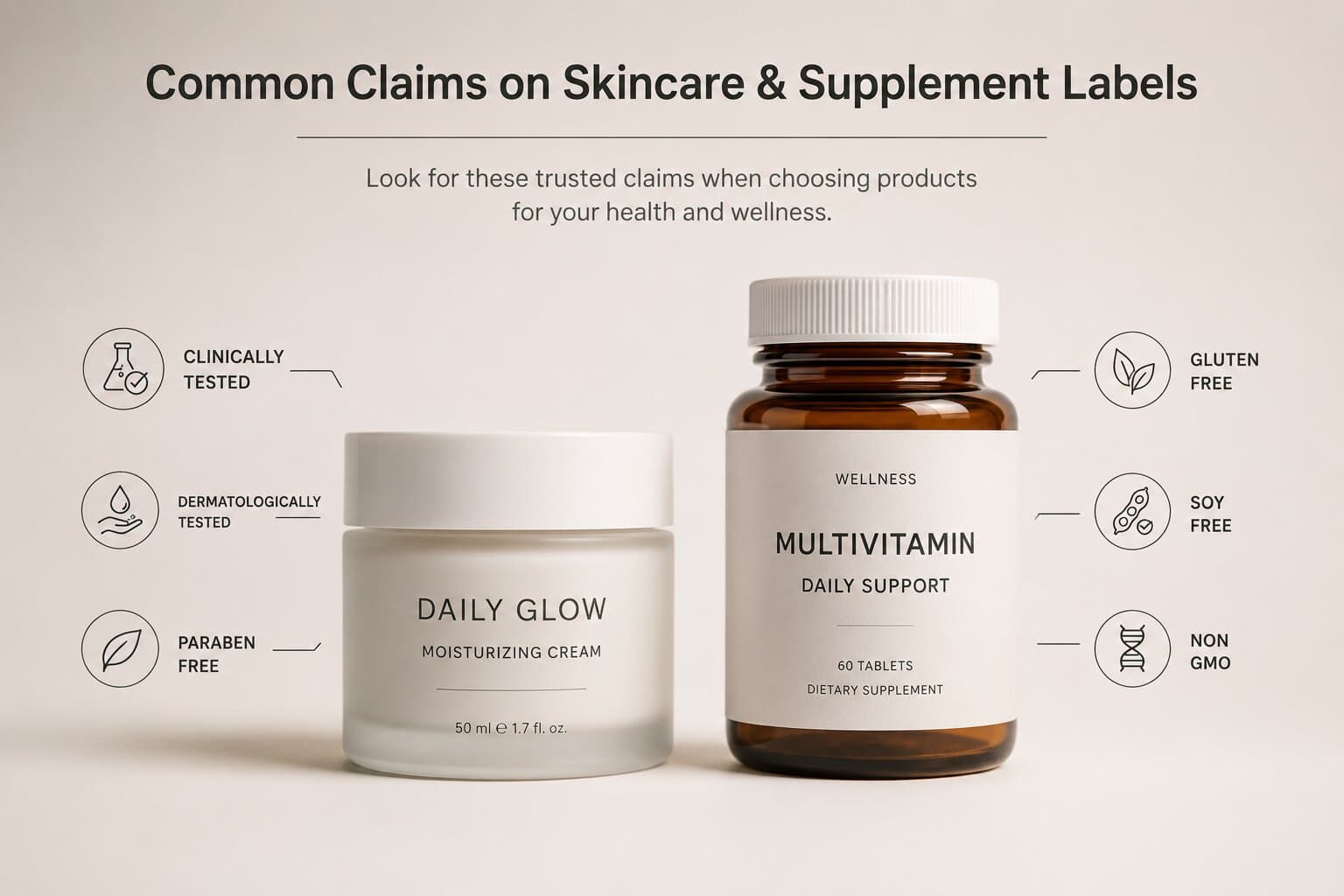
- A line on the packaging, if there’s room.
- A page on the website, if someone remembered to update it.
- A PDF certification, filed away and rarely linked anywhere visible.
- Internal documents that never leave the company at all.
Each piece might be accurate and complete on its own. But a customer trying to understand the full picture of a product has no single place to go. They’d have to already know what to look for, and where, and most people simply won’t.
The Cost of the Gap
This isn’t just an inconvenience. For a brand that has genuinely done the work (sourced responsibly, tested rigorously, documented thoroughly), an inaccessible information trail means that work isn’t doing anything for them commercially. A customer who can’t easily find the evidence behind a product has no reason to choose it over a competitor’s product that made similar claims with less behind them.
In categories like supplements, skincare, and wellness, where confidence is often the actual purchase driver, that’s a real cost, not a minor one. It’s the same dynamic we map out in Where Does All Your Product Documentation Actually Go?, which traces exactly where this information tends to get lost inside a brand.
Structuring What's Already There
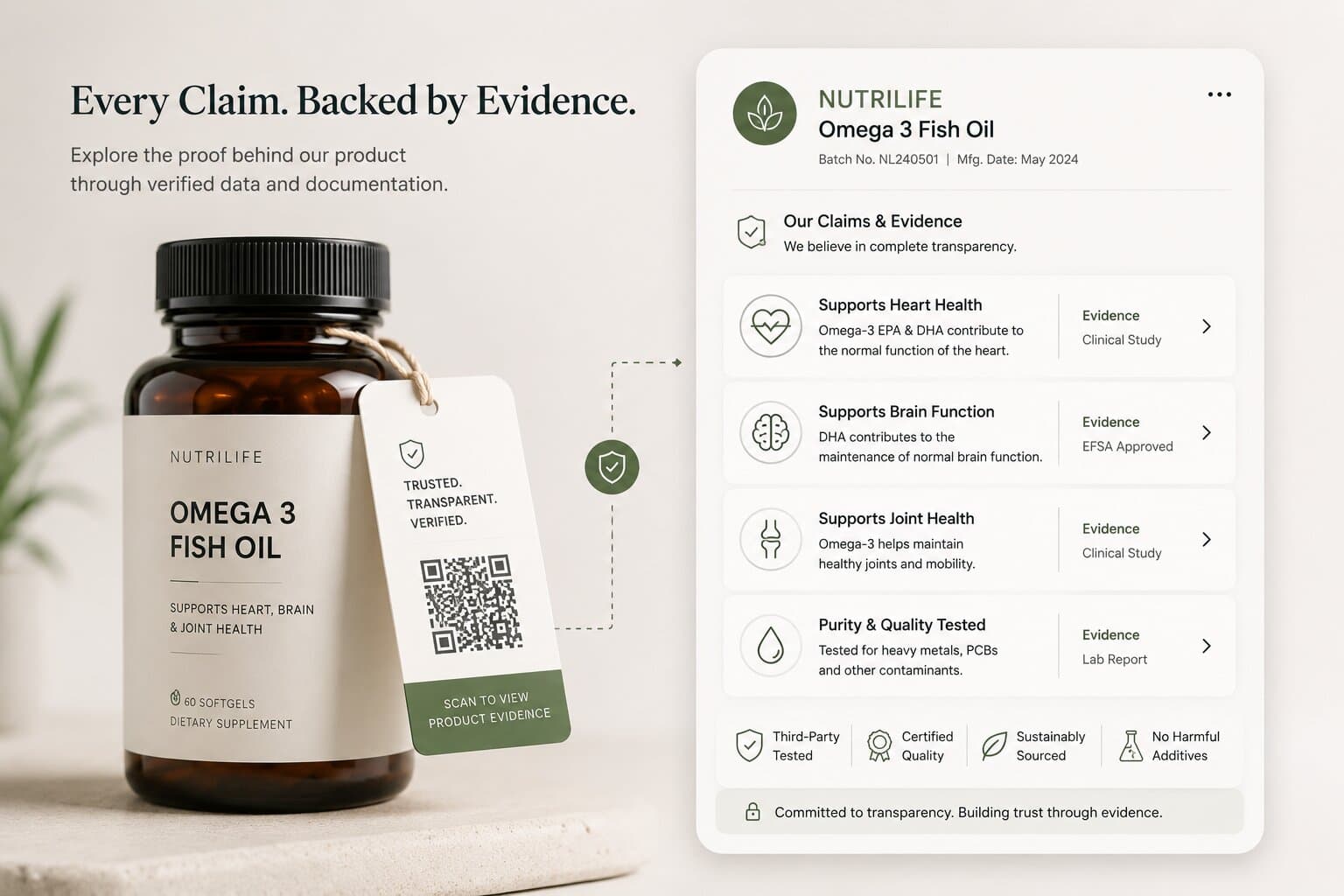
The fix isn’t necessarily more documentation. Most brands already have what they need: the work has been done. What’s missing is structure: a consistent way to connect each piece of product information to the claim it supports, and present it so a customer can explore it without needing to hunt.
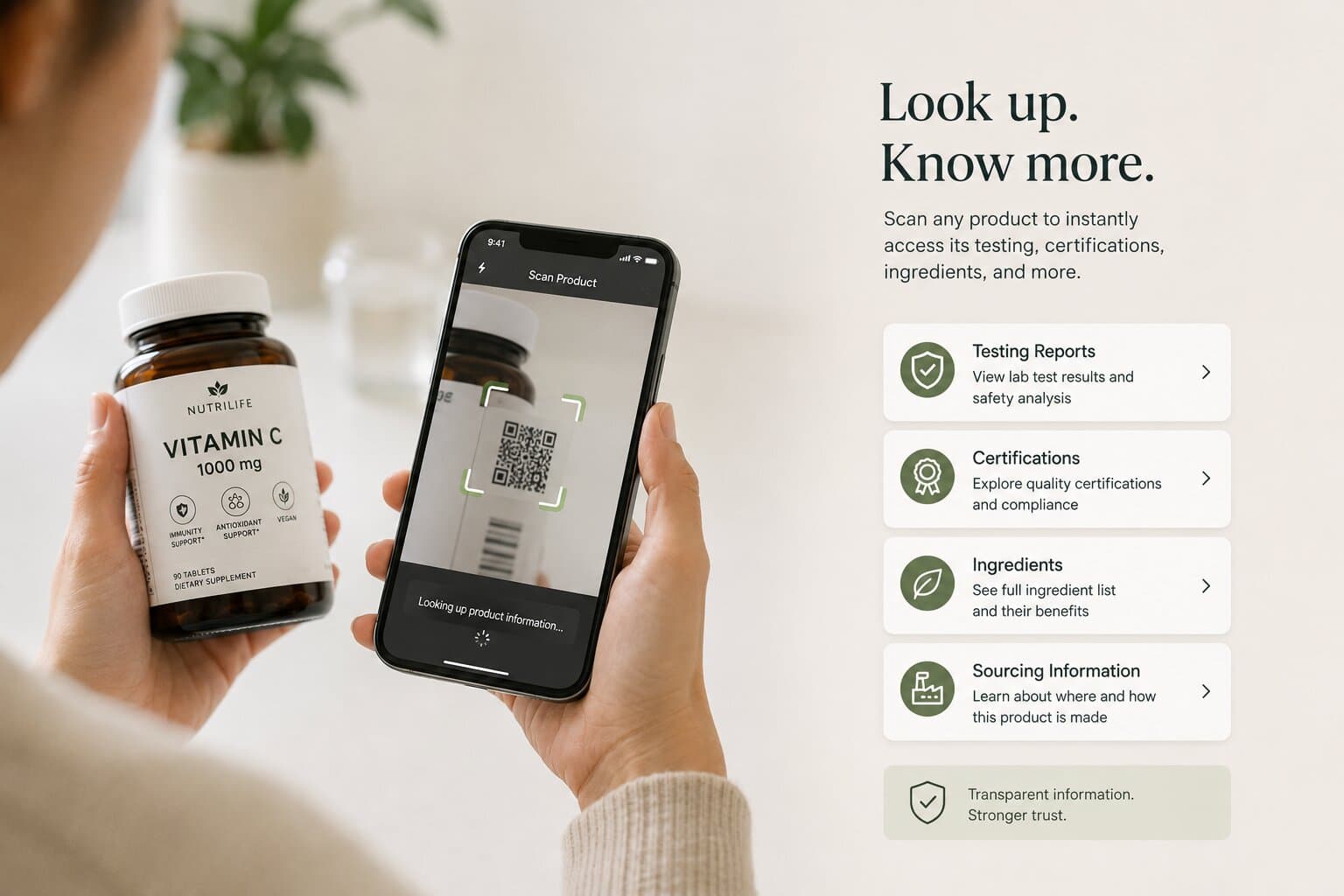
This is the core of what TruOrigin does. It doesn’t replace your packaging, your website, or your existing documentation. It organizes what already exists into a format customers can actually navigate: Claim → Evidence → Summary → Understanding. To see the customer-facing side of that structure, About Product Information walks through exactly what a shopper sees the moment they scan.
Your product likely has more to say than currently reaches anyone. The goal isn’t to say more. It’s to make sure what’s already true is actually visible.
Have a product with more documentation than your packaging or website can show?
Book a demo →