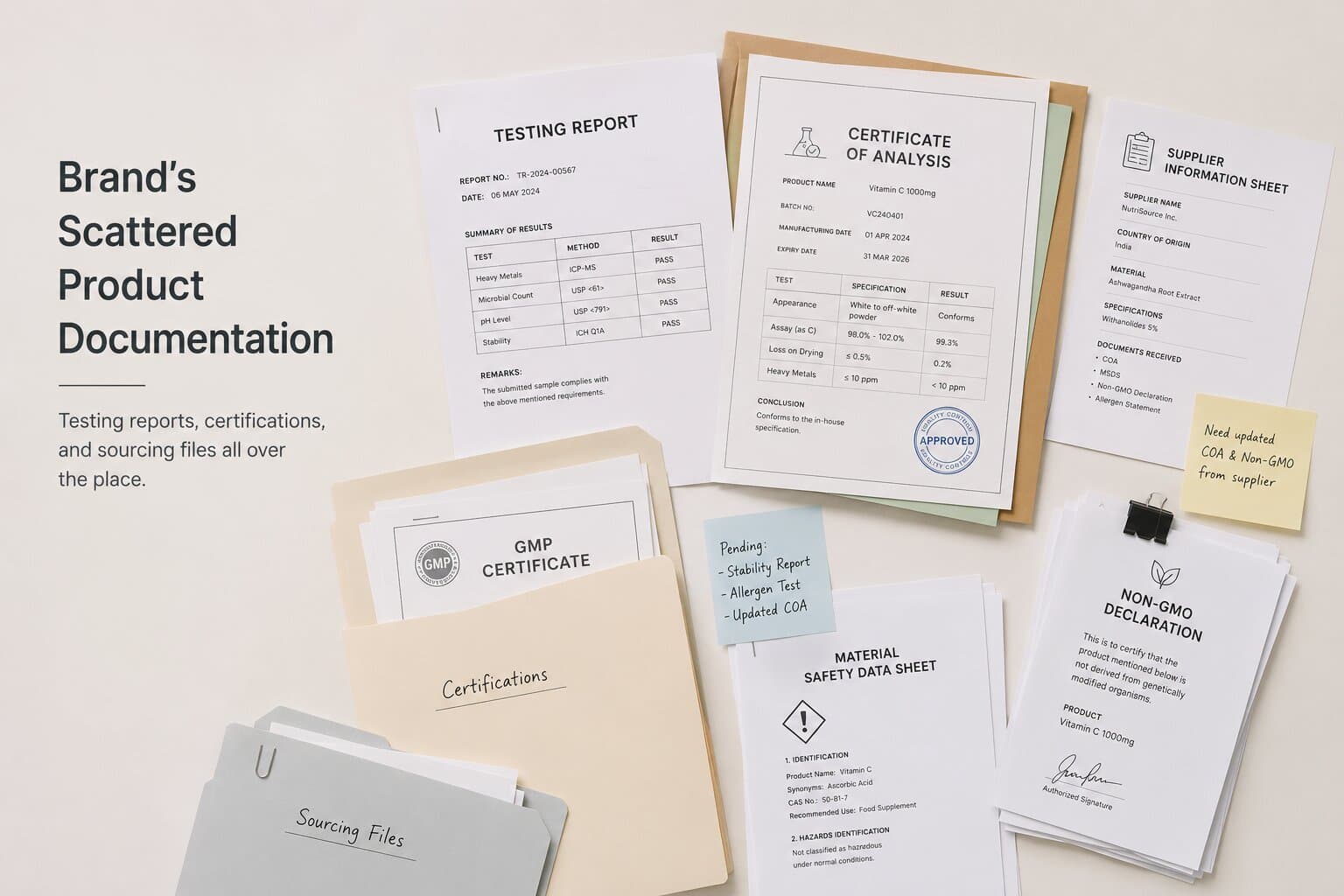
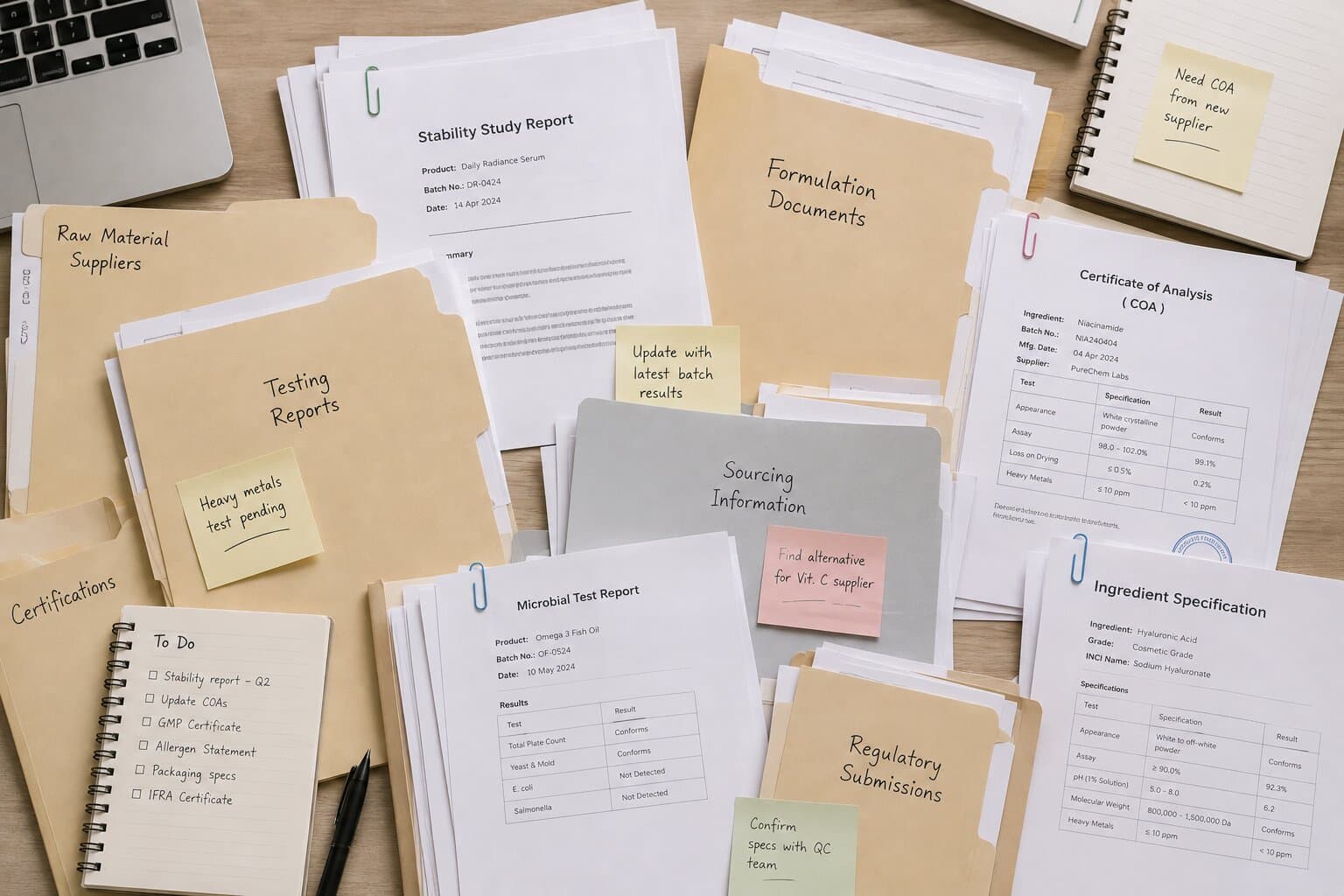
If you asked your own team to list every piece of documentation that exists behind one of your products (every test result, sourcing record, certification, formulation note), how long would that list actually be? For most brands, longer than they expect. And almost none of it is centralized in one place a customer, or even a new team member, could find on their own.
A Quick Audit Most Brands Have Never Run
Try this: pick one flagship product and trace where its supporting information actually lives today. You’ll usually find it split across a handful of places:
- A shared drive or internal wiki that only employees can access.
- A supplier or lab's own portal, holding certificates the brand doesn't even keep local copies of.
- A marketing team's old website copy, which may or may not still be accurate.
- Physical files or emails from a compliance review that happened once and was never revisited.
None of these are wrong places to keep information. They’re just the wrong places to expect a customer, or even a retail partner, to look.
Why This Documentation Sprawl Happens
It’s rarely intentional. Documentation accumulates over a product’s life: a certification here, a reformulation note there, a new lab report after a supplier change. Each piece gets filed wherever made sense at the time. Nobody sets out to build an information maze. It just happens by accumulation, the same fragmentation problem we describe more broadly in Your Product Has 20 Things to Say.
The result is that even brands with genuinely rigorous practices can look, from the outside, indistinguishable from brands that cut corners, because neither one’s documentation is actually visible or organized in a way a customer could use.
Centralizing Without Starting Over
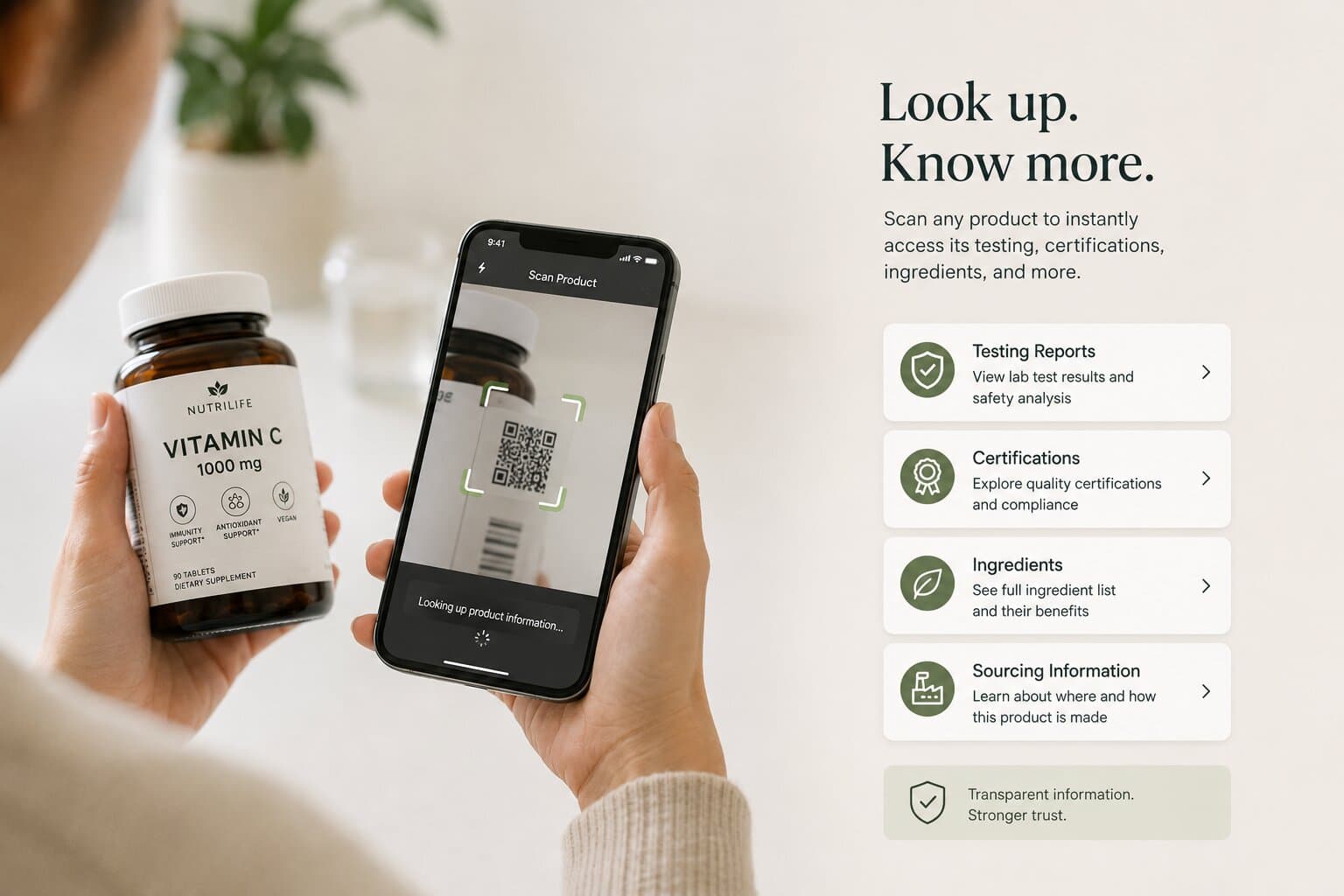
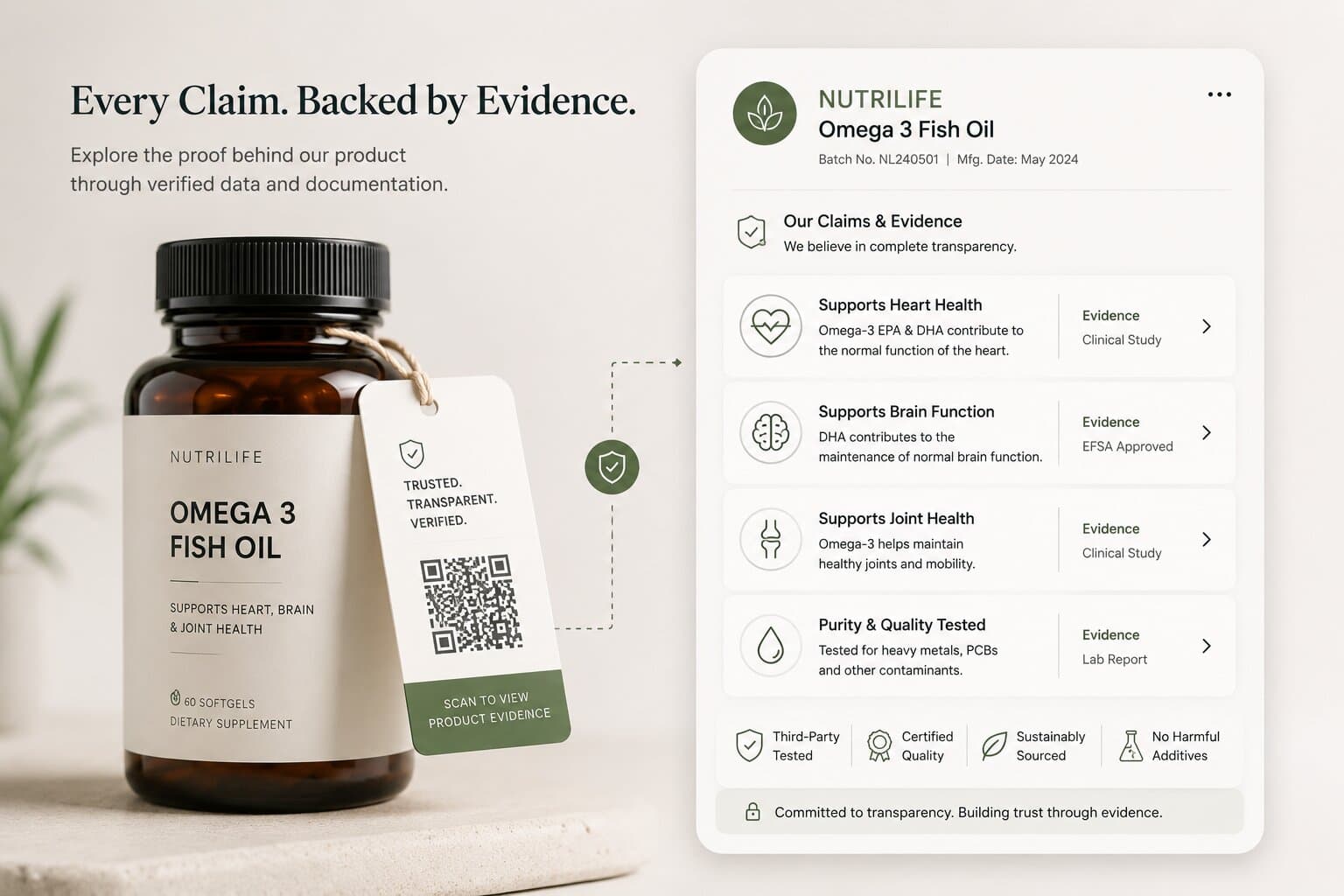
The fix isn’t re-doing the documentation work. It’s giving it one consistent home, connected directly to the claims it supports. TruOrigin’s OriginCard structure does exactly this: each claim on a product links to the specific piece of evidence behind it, pulled from whatever documentation already exists, without requiring brands to rewrite or duplicate their records.
Once that structure exists, the question “where does this documentation actually go?” has one answer instead of five.
Want to map out where your own product's documentation currently lives, and where it could go instead?
Book a demo →