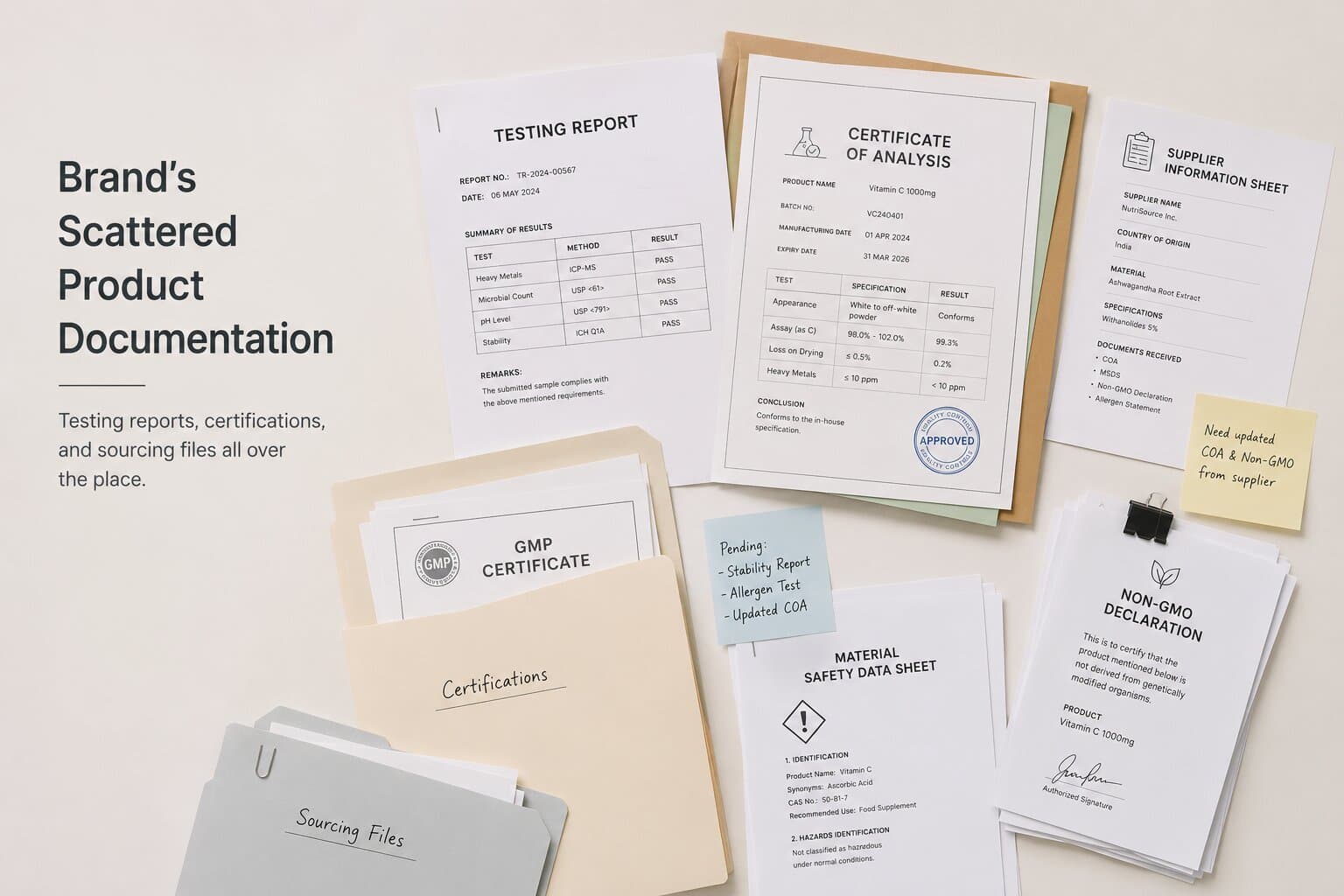
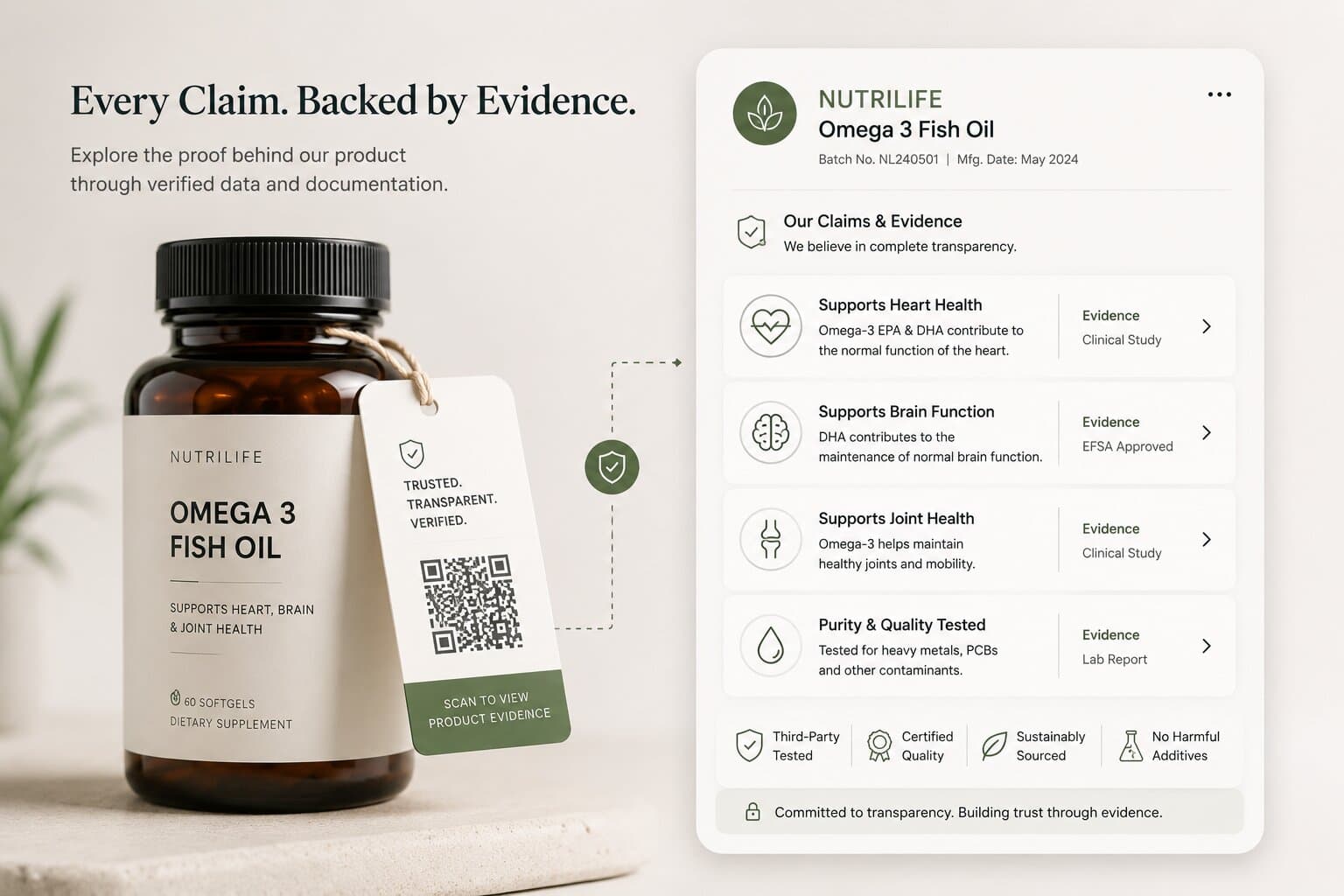
Most products come with a lot of paper, in one form or another. Instructions. Ingredient lists. Warranty cards. Certifications, sometimes. But none of it is really designed to answer the question a curious customer actually has: what’s behind what this product claims?
What if that question had a direct answer, not buried in a manual, but attached to the product itself, in a format built specifically to be explored?
Introducing the Idea of an Information Card
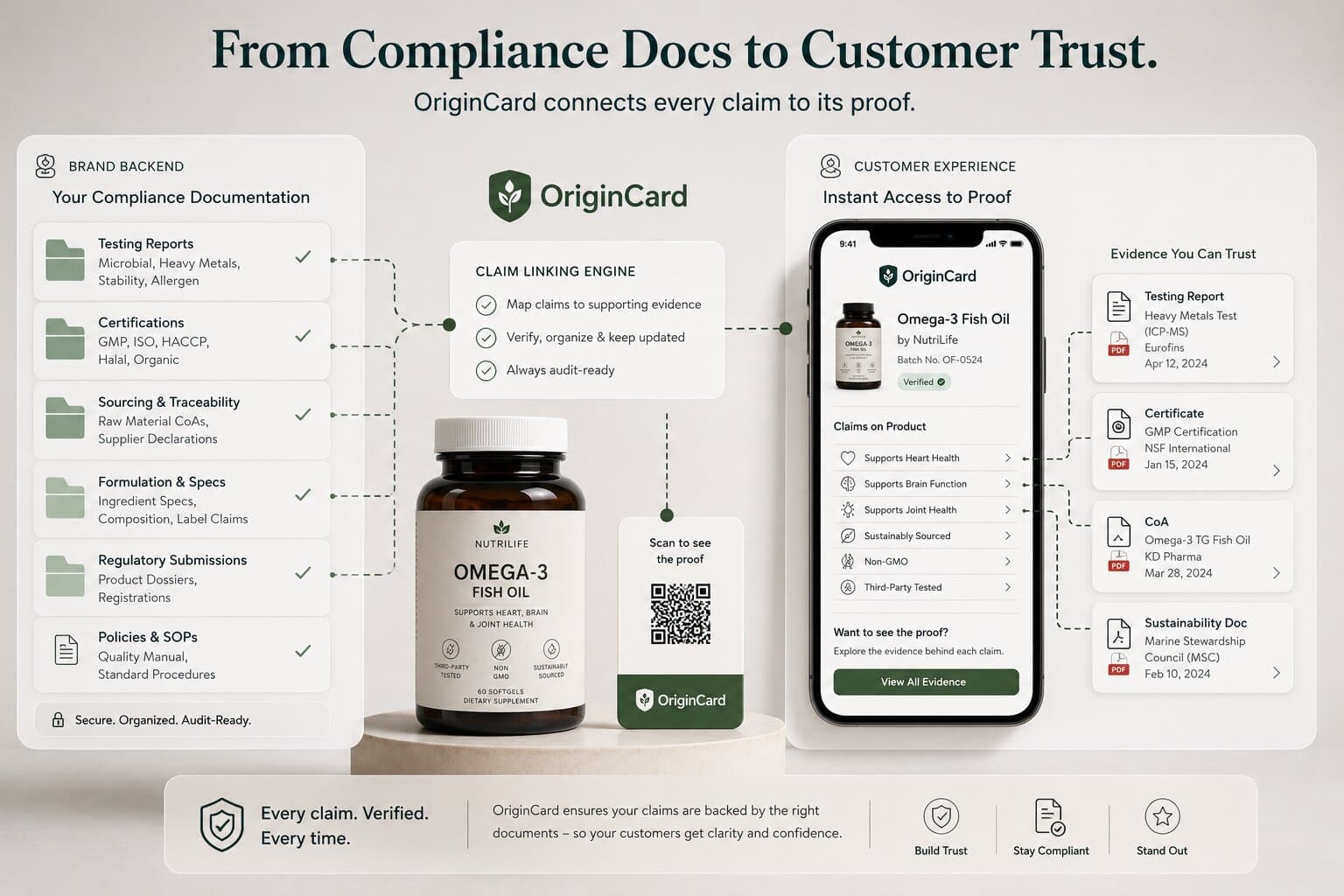
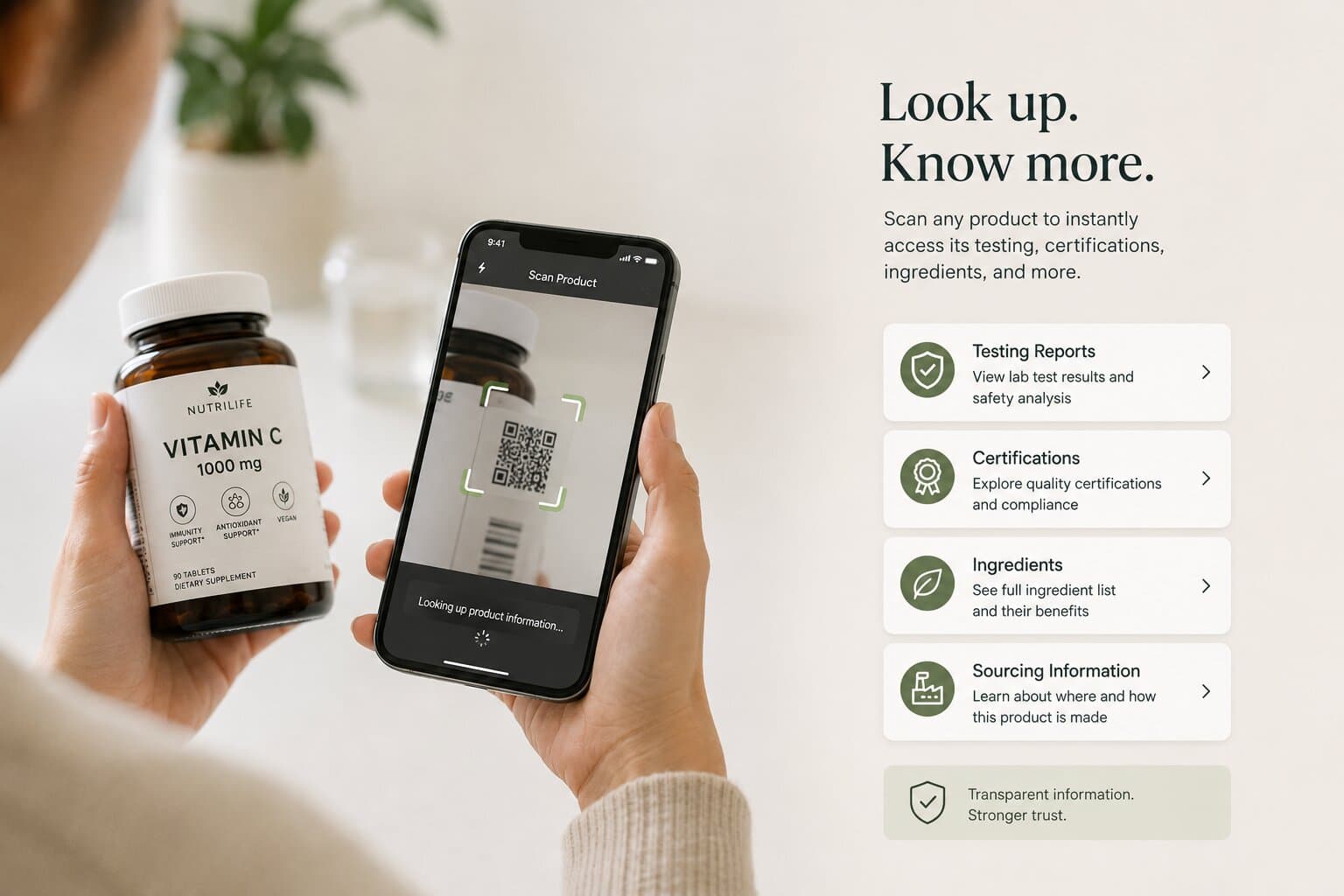
Picture a structured card attached to a product, physically or digitally, that does one job: connect every claim the brand makes to the information that supports it. Not a slogan. Not fine print. An actual, organized path from claim to evidence to a plain-language summary a customer can understand without technical background.
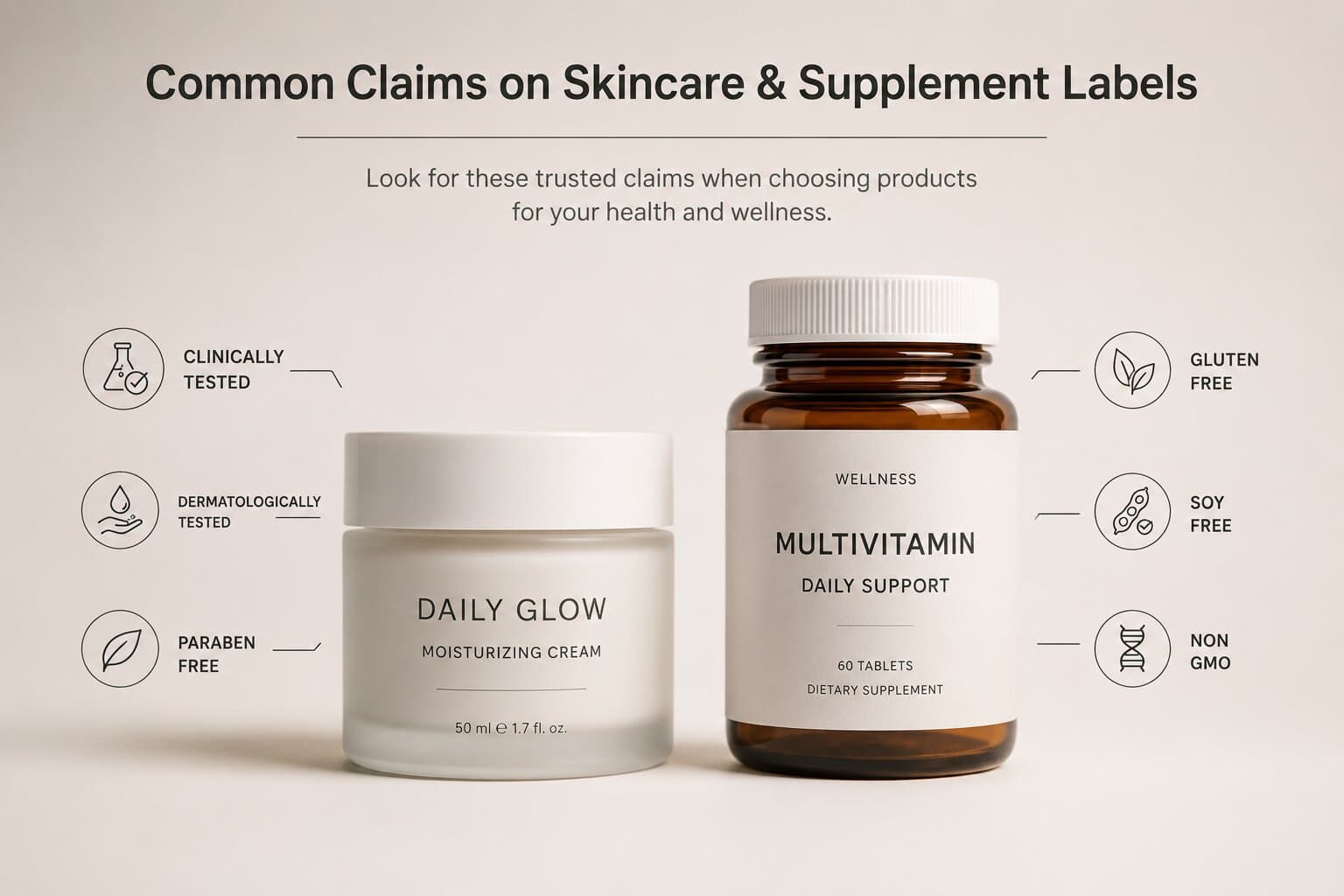
Tap "Paraben Free" and see exactly what that means and what’s used instead. Tap "Third-Party Tested" and see the certification behind it. Tap an ingredient and see sourcing and formulation context.
This is the concept behind OriginCard: TruOrigin’s structured product information layer. It doesn’t replace your packaging or your website. It sits alongside them, giving every claim a direct, explorable path to the documentation behind it.
Why a “Card” Instead of Just a Web Page
A regular product page tries to do everything: sell the product, tell a brand story, list specs. Supporting evidence usually gets buried near the bottom, if it appears at all.
An information card is different: its only job is showing customers the structure behind a product’s claims, organized the same way every time, so customers know exactly where to look regardless of which product or brand they’re viewing. That consistency matters. Once a customer understands how one OriginCard works, they understand how to explore any product using it, which lowers the friction of actually engaging with the information, rather than skimming past it.
What This Means for Brands
For brands that have already done the work (real testing, real sourcing, real certifications), an information card gives that work somewhere to actually live and be seen. It turns documentation that currently sits in a folder somewhere into something that actively builds customer confidence at the exact moment a customer is deciding whether to choose the product. To see how this plays out in practice, take a look at How OriginCard Turns Product Documentation Into a Customer-Facing Asset.
Claim → Evidence → Summary → Understanding: built into the product experience itself, not left as something the customer has to go find.
Want to see what an OriginCard looks like for one of your own products?
Book a demo →